
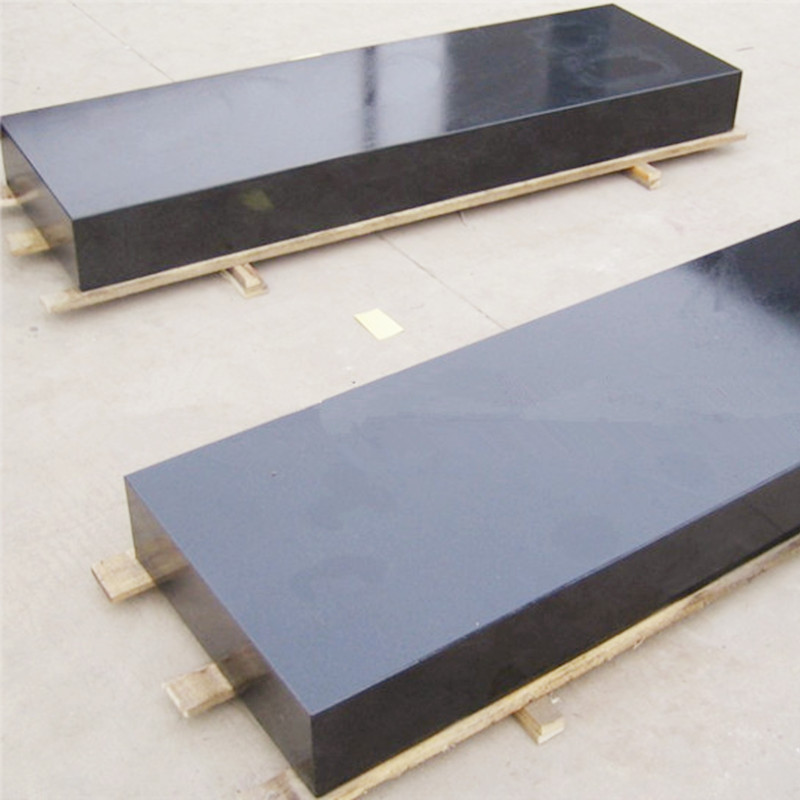
patterned tempered glass
Understanding and Maintaining 8AN Check Valves Ensuring Smooth Fluid Flow in High-Performance Systems In the realm of high-performance automotive engineering and fluid systems management, the role of components like the 8AN check valve cannot be overstated. These small but crucial devices play a pivotal role in maintaining directional flow, enhancing system efficiency, and preventing potentially damaging backflows. This article delves into the specifics of 8AN check valves, their function, importance, and maintenance practices to ensure optimal performance in various applications. What is an 8AN Check Valve? An 8AN check valve refers to a type of valve designed specifically for use in high-pressure fluid systems, typically in automotive or industrial applications. The '8AN' designation signifies the size and compatibility with 8AN (AN8) fittings, a standard in the industry that denotes an 8-size hose with an outside diameter of approximately 19.1mm. This standard ensures compatibility across different parts and systems, making it a versatile choice for numerous applications. Check valves, in general, are one-way directional valves that permit fluid flow in a single direction while automatically closing to prevent reverse flow. The 8AN variant is designed to handle high-flow rates and pressures, making them ideal for fuel systems, oil lines, coolant circuits, and nitrous oxide setups in performance vehicles. Functionality and Importance The primary function of an 8AN check valve is to safeguard the system against unwanted reverse flows that can lead to system inefficiencies, component damage, or even failure. In racing cars, for instance, when the throttle is suddenly released, a pressure surge can occur, threatening to push fuel back through the lines. An 8AN check valve installed correctly prevents this backflow, ensuring consistent fuel delivery to the engine and maintaining peak performance. Moreover, these valves are vital in applications where maintaining a prime in the system is critical, such as fuel pumps. By preventing fluid from draining back when the pump is off, they ensure quick and reliable startups. Design and Varieties 8AN check valves come in various designs to suit specific application requirements Design and Varieties 8AN check valves come in various designs to suit specific application requirements Design and Varieties 8AN check valves come in various designs to suit specific application requirements Design and Varieties 8AN check valves come in various designs to suit specific application requirements 8an check valve . The two most common types are spring-loaded and ball-type check valves. Spring-loaded valves utilize a spring to keep the valve closed until the forward pressure overcomes the spring force, allowing fluid to pass. Ball-type valves employ a free-floating ball that seals against a seat until the pressure differential forces it open. Materials used in construction range from lightweight aluminum for its heat resistance and durability, to stainless steel for added strength and corrosion resistance, depending on the fluid being handled and the operating environment. Maintenance and Troubleshooting Proper maintenance is essential to ensure the longevity and effectiveness of 8AN check valves. Regular inspection for signs of wear, damage, or clogging should be part of any maintenance routine. It's crucial to clean or replace the valve if debris is found obstructing its operation. Additionally, ensuring proper installation—aligning the valve in the correct orientation with respect to fluid flow—is paramount to its function. Troubleshooting common issues like valve chatter (where the valve repeatedly opens and closes due to pressure fluctuations) may involve adjusting spring tension or replacing worn components. Leaks around the valve usually indicate a need for tightening connections or replacing O-rings or seals. Conclusion The 8AN check valve is a fundamental component in high-performance fluid systems, safeguarding against potentially catastrophic backflows and ensuring consistent fluid delivery. Its selection, installation, and maintenance require careful consideration to match the demands of the application and to preserve the integrity and performance of the entire system. With proper care and attention, 8AN check valves can significantly contribute to the reliability and efficiency of engines and industrial processes alike, demonstrating their value in the intricate dance of modern fluid dynamics.
about
patterned tempered glass
Understanding Sheet Metal Fabrication A Comprehensive Overview Sheet metal fabrication is a crucial process in the manufacturing industry that involves the conversion of flat sheets of metal into various shapes and structures. This process plays an essential role in producing components for different applications, including automotive, aerospace, electronics, and construction industries. The demand for precise and versatile metal fabrication continues to grow as technology evolves and industries seek efficient production methods. The fundamental concept of sheet metal fabrication revolves around the manipulation of metal sheets, typically ranging from 0.006 to 0.250 inches in thickness. Various metals, including aluminum, steel, brass, and copper, are commonly used due to their unique properties. Each type of metal brings specific advantages; for example, aluminum is lightweight and resistant to corrosion, while steel is known for its durability and strength. The sheet metal fabrication process encompasses several key techniques, including cutting, bending, and assembling. Cutting is often the initial step, and it can be achieved through various methods such as laser cutting, waterjet cutting, and shear cutting. Laser cutting offers high precision and is ideal for complex designs, while waterjet cutting utilizes high-pressure water streams to cut through metal, making it suitable for thicker materials. Once the sheets are cut into the desired shapes, the bending process follows. Bending is typically executed using press brakes, which apply force to the metal sheet to create angled bends . This process requires careful calculations, as the bending radius and angle must be precise to ensure the final product meets required specifications. sheet metal fabrication table After cutting and bending, parts often require assembling. This can be accomplished using techniques such as welding, riveting, and fastening with screws or bolts. Welding is particularly popular, due to its ability to create strong joints without additional materials. However, it requires skilled labor and proper safety measures, as it involves high temperatures and potential hazards. One of the significant advancements in sheet metal fabrication is the integration of computer numerical control (CNC) technology. CNC machines provide improved accuracy, efficiency, and repeatability in the fabrication process. By using computer-aided design (CAD) software, manufacturers can create intricate designs that the CNC machines execute with high precision. This technology reduces human error and enhances productivity by allowing for automated, high-speed production. Quality control is paramount in sheet metal fabrication, as precision is crucial for ensuring that components fit and function as intended. Manufacturers often implement rigorous inspection processes, utilizing gauges, calipers, and sometimes advanced systems like laser scanning to verify dimensions and tolerances. Consistent quality assurance not only upholds product reliability but also fosters customer trust. Sustainability is also becoming a key consideration in the sheet metal fabrication industry. With the increasing emphasis on eco-friendly practices, manufacturers are seeking ways to minimize waste and optimize resource use. Techniques such as nesting software help maximize material usage by optimizing the layout of parts on sheets, thereby reducing scrap. Additionally, some companies are exploring the recycling of metal scraps, turning waste into a resource. In conclusion, sheet metal fabrication is a vital process that combines traditional craftsmanship with modern technology to produce a wide range of components for various industries. Its versatility, ability to create complex designs, and advancements in technology ensure that sheet metal fabrication will continue to play a significant role in manufacturing. As the industry evolves, embracing innovations and sustainable practices will be essential to meet the changing demands of the market and contribute positively to the environment. The future of sheet metal fabrication looks promising, driven by innovation, precision, and sustainability.
-

High quality industrial productsagement

High quality industrial products
View Details -

Meet the diverse needs of customers

Meet the diverse needs of customers
View Details -

Strict quality control

Strict quality control
View Details -

Top raw materials

Top raw materials
View Details -

Trusted supplier

Trusted supplier
View Details
Our application


news and information

Versatile 3x6 Feet Welding Table for Efficient Metalworking and Fabrication Projects
The Versatility and Advantages of a 3x6 Welding Table Welding is a crucial process in various indust
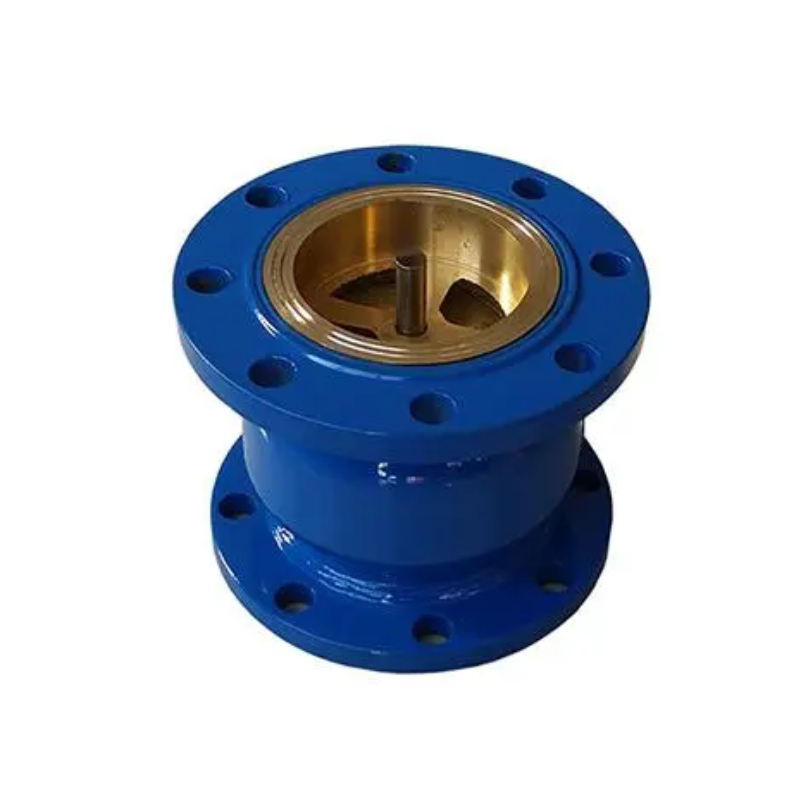
Válvula mariposa de 5 pulgadas para un rendimiento eficiente en sistemas de tuberías
Válvula de mariposa de 5 pulgadas Características y aplicaciones La válvula de mariposa es uno de lo

Vee Blocks for Sale - Premium Quality & Competitive Prices
Vee Blocks for Sale A Comprehensive Guide If you are in the manufacturing, engineering, or quality c
 English